





Debt

The Fair Debt Collection Practices Act (FDCPA): Protecting Consumers from Unfair Debt Collection Practices

The Fair Debt Collection Practices Act (FDCPA): Protecting Consumers from Unfair Debt Collection Practices

“The Fair Debt Practices Collection Act primary goal is to eliminate abusive practices in the collection of consumer debts. It promotes fair debt collection and provides consumers with an avenue for disputing and obtaining validation of debt information. The Act applies to personal, family, and household debts, including money owed on credit card accounts, auto loans, medical bills, and mortgages.”

Protecting Your Home: The Crucial Role of Lender Title Insurance in Bankruptcy

Protecting Your Home: The Crucial Role of Lender Title Insurance in Bankruptcy

“Lender title insurance is more than just another closing cost; it's a crucial safeguard for your most valuable asset. In the context of bankruptcy, it can be the difference between maintaining your home's value and facing additional financial hurdles. Whether you're in Cheyenne, Charlotte, or anywhere else, understanding the importance of title insurance is key to protecting your home ownership rights and navigating potential bankruptcy proceedings successfully.”

When Unemployment Benefits Run Out: Understanding Your Bankruptcy Options

When Unemployment Benefits Run Out: Understanding Your Bankruptcy Options

“While the end of unemployment benefits can be a challenging time, it’s important to remember that options like bankruptcy exist to help individuals regain financial stability. By understanding how factors such as layoffs, unemployment duration, debt load, income prospects, credit impact, and debt-to-income ratio affect your situation, you can make an informed decision about whether bankruptcy is the right path for you.”

The Domino Effect of Unpaid Unsecured Debt: From Creditors to Courts

The Domino Effect of Unpaid Unsecured Debt: From Creditors to Courts

“Unpaid unsecured debt can lead to a complex chain of events, from initial creditor collections to potential legal action. By understanding this process and your rights, you can make informed decisions about managing your debt and protecting your financial future.”

Navigating Chapter 7 Bankruptcy: The Pauper's Affidavit Guide for Pro Se Filers

Navigating Chapter 7 Bankruptcy: The Pauper's Affidavit Guide for Pro Se Filers

“A Pauper's Affidavit is a legal document that allows individuals who cannot afford court fees to request a waiver. In the context of Chapter 7 bankruptcy, this affidavit can help you bypass the filing fees, which can be a significant barrier for many debtors.”

What to Expect when you file Chapter 13 Bankruptcy in Wyoming

What to Expect when you file Chapter 13 Bankruptcy in Wyoming

“Are you struggling with overwhelming debt in Wyoming? Chapter 13 bankruptcy might be the solution you're looking for. This legal process, often called a "wage earner's plan," allows individuals with regular income to develop a plan to repay all or part of their debts over time. Let's dive into the specifics of Chapter 13 bankruptcy in Wyoming and how it can help you regain financial stability.”

How to Own Your Home with Your Spouse if You Need Medicaid in the Future?

How to Own Your Home with Your Spouse if You Need Medicaid in the Future?

“It's important to note that Medicaid rules are complex and can vary by state. While proper property ownership can help protect assets, it's just one piece of the Medicaid planning puzzle. Other strategies, such as irrevocable trusts or transfer of assets, may also play a role in comprehensive Medicaid planning.”

Understanding the Waiting Period: Filing Chapter 13 After a Previous Discharge

Understanding the Waiting Period: Filing Chapter 13 After a Previous Discharge

“When it comes to filing a subsequent Chapter 13 bankruptcy after a previous discharge, the law stipulates a specific waiting period. According to the U.S. Bankruptcy Code, you must wait two years from the date of filing your previous Chapter 13 bankruptcy before you can file another one.

It's important to note that this two-year period is calculated from the filing date of your previous bankruptcy, not the discharge date. This distinction is crucial because a Chapter 13 bankruptcy typically lasts three to five years, meaning that in most cases, you'll be eligible to file again immediately after your previous case is closed.”

Missing Your First Chapter 13 Bankruptcy Payment: What You Need to Know

Missing Your First Chapter 13 Bankruptcy Payment: What You Need to Know

You Could Lose Protection: When you file for bankruptcy, you get something called an "automatic stay." This stops creditors from trying to collect money from you. If you miss payments, you could lose this protection.

Your Case Might Get Dismissed: In the worst case, the court could throw out your bankruptcy case. This means you'd lose all the benefits of filing for bankruptcy.

Creditors Can Start Collecting Again: If your case gets dismissed, your creditors can start asking for money again. They might even try to take your stuff or garnish your wages.”

If I Default on a SBA Loan, Can Bankruptcy Stop an Administrative Lien on my Home?

If I Default on a SBA Loan, Can Bankruptcy Stop an Administrative Lien on my Home?

“Bankruptcy can provide relief for individuals and businesses facing insurmountable debt. It is a legal process that allows borrowers to eliminate or repay their debts under the protection of the bankruptcy court. However, it's important to note that bankruptcy does not automatically eliminate administrative liens on your home. The impact of bankruptcy on administrative liens depends on the type of bankruptcy you file.”

Divorce, Spousal Debt and Bankruptcy

Divorce, Spousal Debt and Bankruptcy

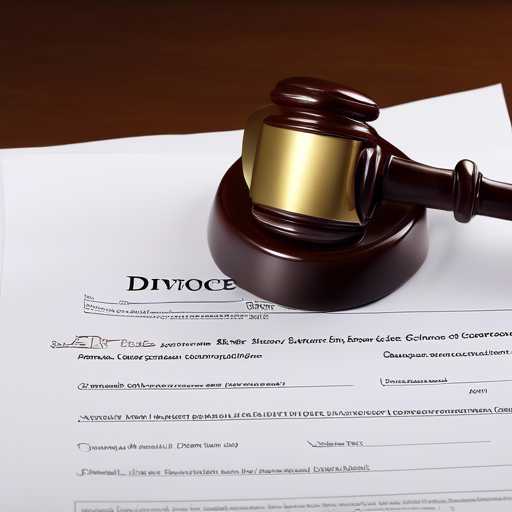
“Divorce can be a challenging and overwhelming process, especially when it involves the division of debt. If you are worried about being held responsible for your ex-spouse's debt, it is important to consult with a knowledgeable attorney who can guide you through the legal options available. Whether through negotiation, mediation, or bankruptcy, there are ways to get rid of your ex-spouse's debt and move forward with a fresh start. Remember, every situation is unique, so it is essential to seek personalized advice to ensure the best possible outcome for your specific circumstances. Hishaw Law LLC Blog”

Can US Residents File for Bankruptcy?

Can US Residents File for Bankruptcy?

“US residents, regardless of their citizenship status, can file for bankruptcy as long as they meet the residency requirements. Bankruptcy provides a legal process for individuals to eliminate or repay their debts and achieve a fresh financial start. It's important to consult with a bankruptcy attorney to understand the specific rules and requirements in your state. Additionally, considering alternatives to bankruptcy is crucial before making a decision. Seek legal and financial advice to explore all available options and determine the best course of action for your financial situation.”

What happens when I file Chapter 7 Bankruptcy and I own a business?

What happens when I file Chapter 7 Bankruptcy and I own a business?

If you own a business and need to file for Chapter 7 bankruptcy, it is important to understand the implications for your business and your personal finances. In a Chapter 7 bankruptcy, the business's assets will be sold and the proceeds will be used to pay off its creditors. After the bankruptcy is complete, the business will be dissolved.

What will happen to the Equity in my home if I file Chapter 13 Bankruptcy?

What will happen to the Equity in my home if I file Chapter 13 Bankruptcy?

“In some states, such as Texas and Florida, there are unlimited homestead exemptions that allow debtors to protect all of the equity in their homes, regardless of the value. Other states, such as North Carolina and Wyoming, have more limited homestead exemptions that may only protect a certain amount of equity.”

How Does a Chapter 13 Bankruptcy Stop the Foreclosure of Your Home?

How Does a Chapter 13 Bankruptcy Stop the Foreclosure of Your Home?

“Chapter 13 bankruptcy can help stop the foreclosure of your home by implementing an automatic stay, which is a court order that prevents creditors from taking any collection actions against you, including foreclosure proceedings. Once you file for Chapter 13 bankruptcy, the automatic stay goes into effect, and your mortgage lender is required to halt any foreclosure proceedings that are currently underway.”

Will I lose my house if I file Chapter 13 bankruptcy in Charlotte, North Carolina?

Will I lose my house if I file Chapter 13 bankruptcy in Charlotte, North Carolina?

“Filing for Chapter 13 bankruptcy in Charlotte, NC, does not necessarily mean that you will lose your house. In fact, Chapter 13 bankruptcy can often help you keep your home by providing a structured repayment plan that allows you to catch up on past-due mortgage payments over a period of three to five years.”

What is the difference between Chapter 7 vs. Chapter 13 Bankruptcy?

What is the difference between Chapter 7 vs. Chapter 13 Bankruptcy?

“Chapter 7 bankruptcy, also known as "liquidation bankruptcy," allows the debtor to eliminate most types of unsecured debts, such as credit card debts, medical bills, and personal loans, without making any payments to creditors. In exchange, the debtor may have to surrender some non-exempt assets, which are sold by the trustee to pay off a portion of the debts. This process usually takes about 3-6 months and may have some negative impacts on the debtor's credit score.”

What is a Chapter 13 Bankruptcy?

What is a Chapter 13 Bankruptcy?

“Chapter 13 bankruptcy is a type of bankruptcy that allows individuals with a regular income to create a repayment plan to pay off all or a portion of their debts over a period of three to five years. It is also known as a "wage earner's plan" because it is typically used by people who have a steady income, but are struggling to keep up with their debts.”

How the Recession in Germany May Impact the US Economy

How the Recession in Germany May Impact the US Economy

“Many US companies have operations in Germany, and a recession in Germany will impact their operations. The decline in demand for goods and services in Germany will lead to a decrease in revenue for US companies operating in Germany. This will result in a decline in profits, which will have a negative impact on the US economy.”