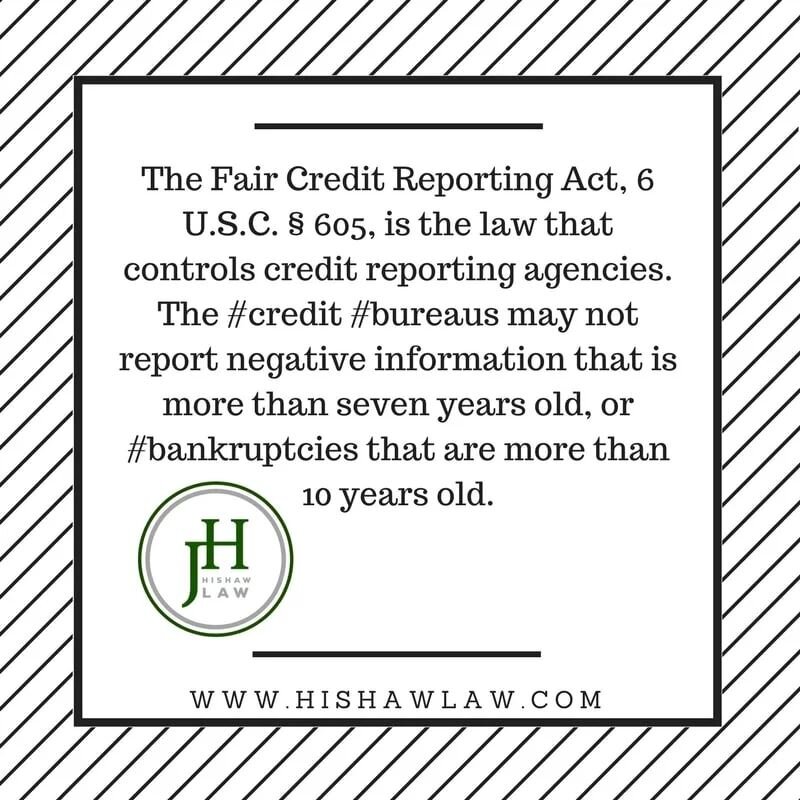






“The Fair Debt Practices Collection Act primary goal is to eliminate abusive practices in the collection of consumer debts. It promotes fair debt collection and provides consumers with an avenue for disputing and obtaining validation of debt information. The Act applies to personal, family, and household debts, including money owed on credit card accounts, auto loans, medical bills, and mortgages.”
Critical Actions to Avoid Before and During Bankruptcy Filing
“Navigating the path to bankruptcy requires careful consideration and responsible behavior. By avoiding these critical mistakes, you can ensure a smoother bankruptcy process and maximize the fresh start that bankruptcy is designed to provide. Always consult with a qualified bankruptcy attorney to guide you through the complexities of your specific situation and ensure compliance with all legal requirements.”
When Unemployment Benefits Run Out: Understanding Your Bankruptcy Options
“While the end of unemployment benefits can be a challenging time, it’s important to remember that options like bankruptcy exist to help individuals regain financial stability. By understanding how factors such as layoffs, unemployment duration, debt load, income prospects, credit impact, and debt-to-income ratio affect your situation, you can make an informed decision about whether bankruptcy is the right path for you.”
Navigating Bankruptcy: Can You Exclude Some Credit Cards?
“In the complex landscape of financial recovery, the interaction between bankruptcy and credit cards stands out as a pivotal concern for many. Deciding to file for bankruptcy is a significant step, fraught with both relief and challenges, particularly when it comes to managing existing debts. The common misconception that individuals can selectively exclude certain credit cards from bankruptcy proceedings underscores the necessity for clear, authoritative guidance on this matter. Understanding the legal and financial ramifications of such decisions is essential for anyone considering bankruptcy as a pathway to regain financial stability.”
Why Chapter 13 Bankruptcy Filings Increased Last Year?
In 2022, Chapter 13 bankruptcy filings increased by 26.6% while business and other personal bankruptcy filings fell by 11.7%. Chapter 13 bankruptcy was established to provide debt relief to individuals who are struggling financially by giving them the grace to pay off their debts without the worry of losing their assets to creditors. In this article, we will discuss what is Chapter 13 bankruptcy and how it works as well as why there was an increase in Chapter 13 bankruptcy filings in 2022.