
Many of my clients believe bankruptcy permanently destroys creditworthiness. The reality shows otherwise—with disciplined strategies, most bankruptcy filers see significant credit score improvement within 12 to 24 months.
Immediate Steps After Bankruptcy Discharge
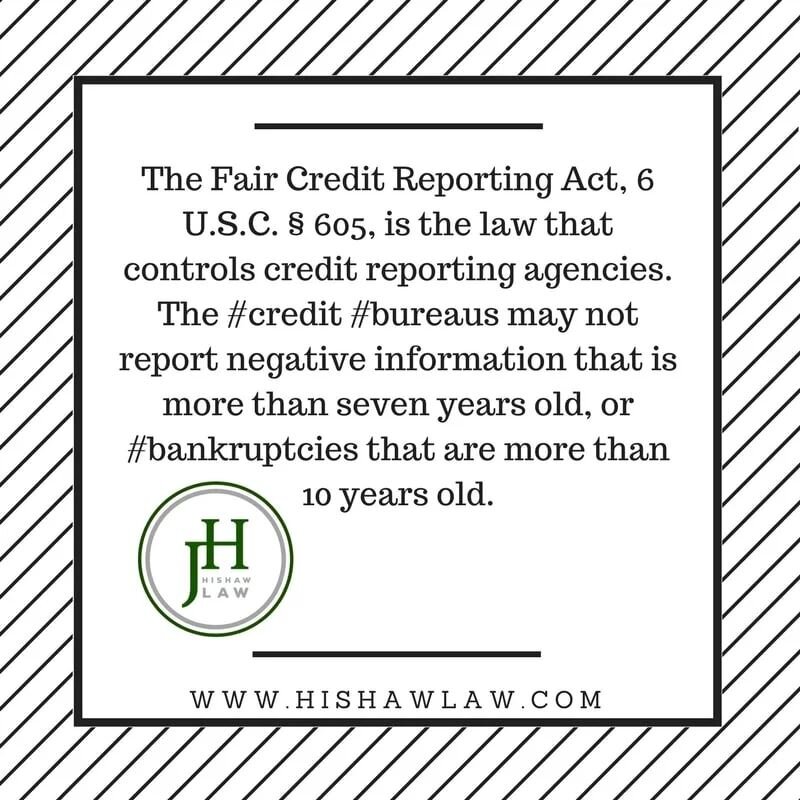
Begin by obtaining free credit reports from Equifax, Experian, and TransUnion through AnnualCreditReport.com. Verify that discharged debts appear correctly and dispute any inaccuracies immediately. Chapter 7 bankruptcy remains on credit reports for 10 years, while Chapter 13 stays for seven years.
Secured Credit Cards: Your Primary Rebuilding Tool
Secured credit cards require cash deposits that typically serve as your credit limit, making them accessible to bankruptcy filers. Using secured cards responsibly demonstrates creditworthiness to lenders, with positive activity reported to credit bureaus.
To maximize effectiveness, maintain credit utilization below 10 percent by making mid-cycle payments rather than waiting until statement dates.
Payment History: The Foundation of Credit Recovery
Payment history accounts for 35 percent of your FICO credit score, making on-time payments the most critical factor in bankruptcy recovery. Set up automatic payments for utilities, rent, phone service, and existing debt to avoid missed due dates. Even one late payment significantly hinders credit repair efforts.
Strategic Credit Building Timeline
During months 1-6, focus on establishing consistent payment patterns with one secured credit card. After six months of perfect payments, request credit limit increases to improve utilization ratios without triggering hard inquiries.
Consider becoming an authorized user on a trusted family member's credit card account. The primary cardholder's positive payment history and low credit utilization can boost your credit profile.
Essential Financial Habits for Long-Term Success
Build an emergency fund covering three to six months of expenses to prevent future reliance on credit during financial emergencies. Create a realistic budget by analyzing income, expenses, and remaining debts to identify savings opportunities.
To protect your credit recovery:
1. Monitor credit reports quarterly for errors or fraudulent activity
2. Keep credit card balances below 30 percent of available limits
3. Avoid applying for multiple credit accounts within six-month periods
4. Diversify credit types gradually by adding installment loans after establishing revolving credit
Understanding these bankruptcy recovery strategies helps consumers rebuild financial stability while improving creditworthiness for future borrowing opportunities.