




“Rule 5010 is especially important for borrowers who did not originally seek to discharge their student loans in bankruptcy but now face financial hardship.”

To protect your bankruptcy recovery while securing necessary transportation:
Obtain pre-approval from multiple lenders before approaching your bankruptcy trustee
Limit vehicle purchases to reliable, fuel-efficient models under $15,000
Aim for down payments of at least 20 percent to reduce interest costs
Choose loan terms under 60 months to avoid negative equity situations
Verify lenders report to Equifax, Experian, and TransUnion for credit rebuilding benefits
Understanding these financing considerations helps bankruptcy filers maintain employment transportation while safeguarding long-term financial stability and creditworthiness.
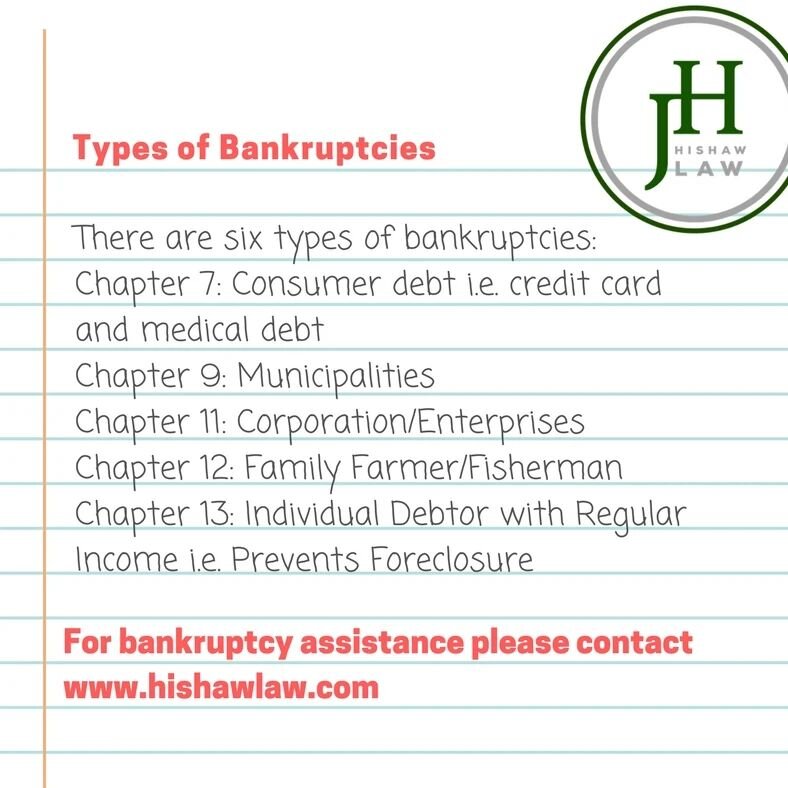
“Chapter 13 debt limits have been adjusted to reflect economic changes. Currently, individuals can file under Chapter 13 if their total secured and unsecured debts do not exceed approximately $2.75 million combined. “
“When financial hardship leads individuals to consider bankruptcy, everyday expenses become a central part of the legal analysis. One often overlooked but critical category is auto repair costs. Reliable transportation is essential for maintaining employment, attending medical appointments, and meeting daily obligations, which is why bankruptcy courts generally recognize necessary car repairs as legitimate living expenses.”
“For parents struggling with Parent PLUS student loan debt while living on Social Security Disability Insurance (SSDI), financial relief may be closer than it seems. One of the most powerful—but often overlooked—options is a Total and Permanent Disability (TPD) discharge. When combined with bankruptcy strategies, this relief can offer a pathway to eliminate overwhelming student loan obligations and restore financial stability.”
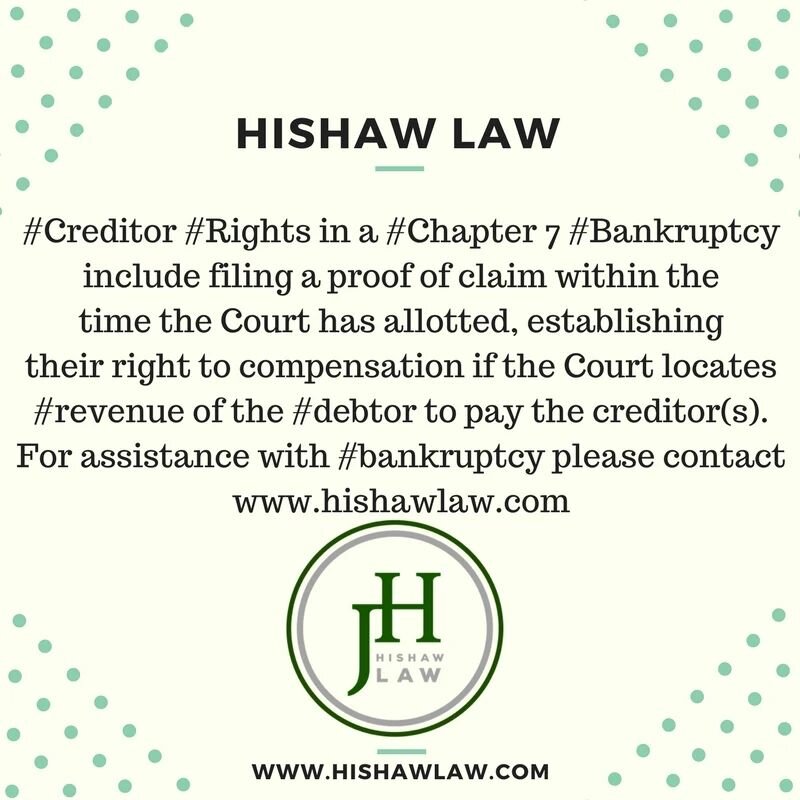
“When a debtor files for bankruptcy, creditors often assume they will automatically be considered for repayment—but that assumption can be costly. Filing a proof of claim is one of the most important steps a creditor can take to protect their financial interests. Without it, even a valid debt may go unpaid.”
Greensboro Bankruptcy Attorney