The growing financial crisis facing American farmers is reaching alarming levels, and recent reporting highlights just how limited their options have become. A new article underscores that while farm bankruptcies are rising sharply, many farmers cannot even access the relief that bankruptcy is supposed to provide. At the center of this issue is insight from agricultural attorney Jillian Hishaw, whose experience sheds light on the deeper structural problems within the farming economy.
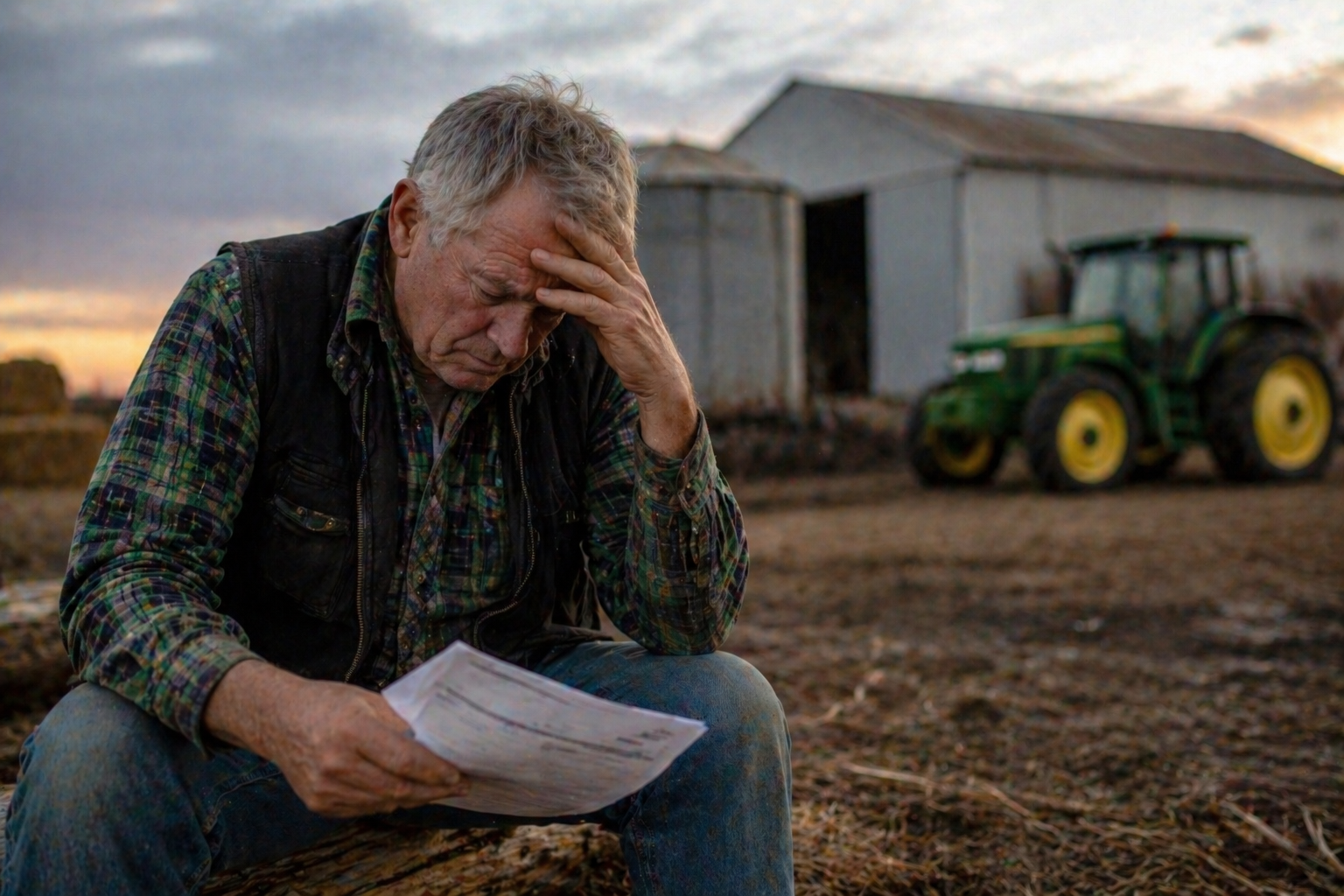
Farm bankruptcies increased significantly, with 315 Chapter 12 filings in 2025—a 46% rise from the previous year. This surge reflects mounting pressures from rising input costs, declining commodity prices, and unpredictable weather conditions. However, as Hishaw explains, the issue is not simply that farmers are filing bankruptcy—it’s that many cannot qualify for it at all.
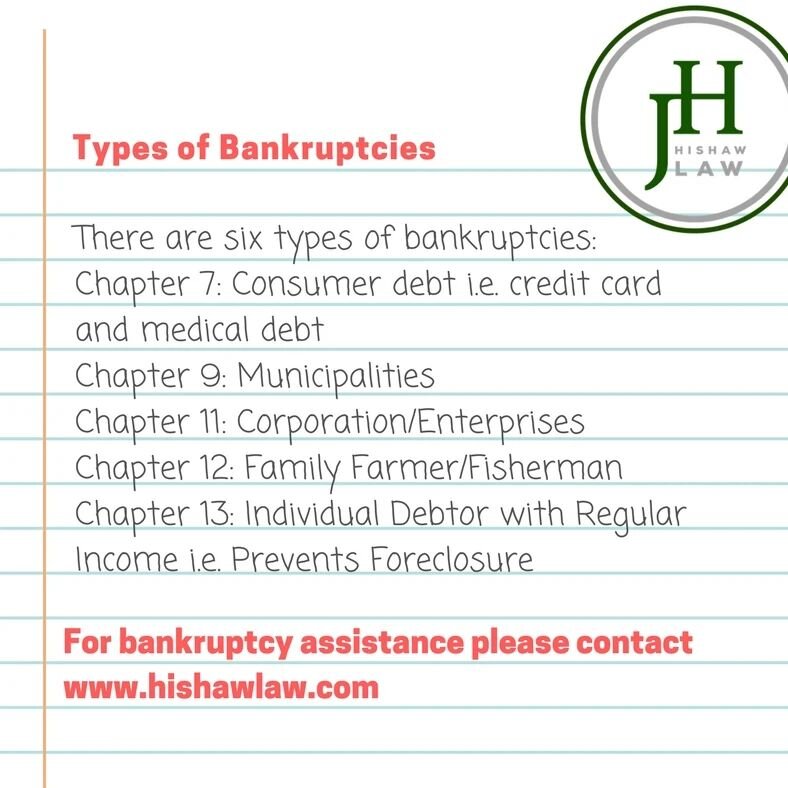
Chapter 12 bankruptcy is specifically designed for family farmers, but eligibility rules require that the majority of income come from farming. As Hishaw points out, many farmers today rely on off-farm income just to survive. That survival strategy, ironically, disqualifies them from the very relief meant to help them. This leaves countless farming families trapped—too indebted to continue, yet unable to restructure through bankruptcy.
Hishaw’s perspective is especially powerful given her background in agricultural law and bankruptcy. She emphasizes that farming is inherently debt-driven, stating that farmers often operate “in the red” just to maintain operations. Seasonal planting cycles require constant borrowing, and when combined with rising costs—such as fuel, fertilizer, and tariffs—many farmers find themselves buried in debt with no viable exit.
Her analysis also highlights broader economic realities. Low crop yields, fluctuating market prices, and increasing global competition have made profitability more difficult than ever. As a result, even well-managed farms are struggling to stay afloat. Hishaw notes that these pressures force farmers into a cycle where taking on more debt becomes the only way to continue operating—until it no longer works.
Ultimately, the article reveals a troubling gap in the system. Bankruptcy, traditionally seen as a safety net, is not accessible to many of the very people it was designed to protect. Hishaw’s insights make clear that without reform, more farms may be forced to shut down entirely, impacting not only rural communities but also the broader food supply chain. This post is for educational purposes only and not legal advice. Special thanks to Lucy Lararony for interviewing Jillian Hishaw, Owner of Hishaw Law
Resource: Lucy Lararony, https://www.badcredit.org/news/debt-is-crushing-farmers-and-bankruptcy-isnt-an-option-for-many/