
Estate planning is a crucial aspect of financial management, yet many individuals fail to properly transfer their assets upon death. Three primary factors often complicate this process: divorce, creditor claims, and elderly care costs. Let's explore how these issues can impact asset transfer and potentially lead to financial loss for heirs.
Divorce: A Financial Divide
Divorce can significantly complicate asset transfer, especially when it occurs later in life. Here's why:
Property Division: Divorce settlements often require the division of assets, which can reduce the overall estate value available for transferWWW.IRS.GOV.
Alimony Obligations: Ongoing alimony payments can deplete assets that would otherwise be passed on to heirsWWW.IRS.GOV.
Beneficiary Changes: Failing to update beneficiary designations post-divorce can lead to unintended asset transfers or legal disputesWWW.IRS.GOV.
Creditor Claims: Debts That Don't Die
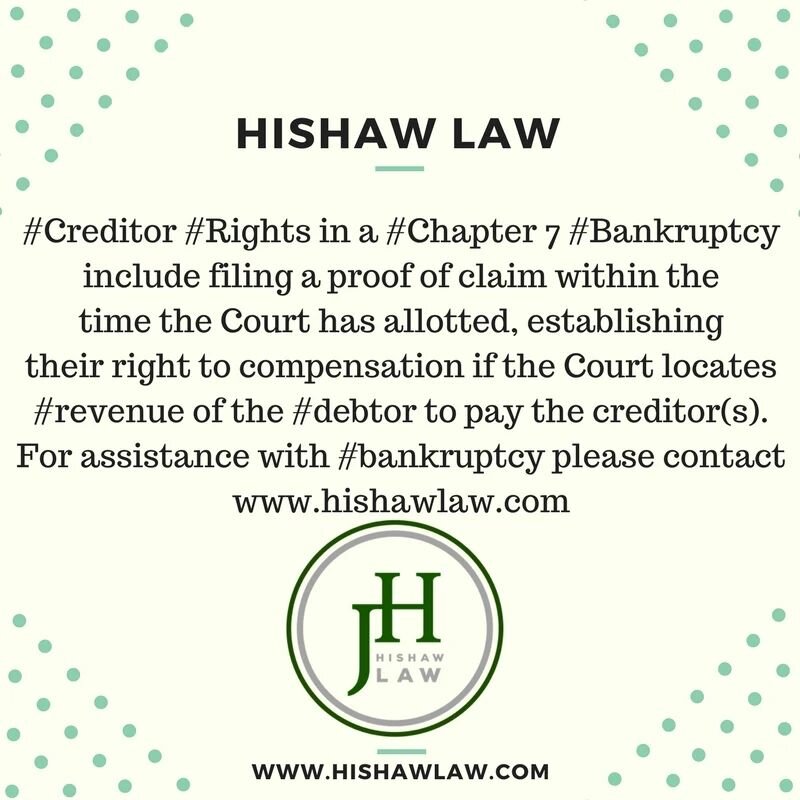
Creditor claims can significantly impact an estate, reducing the assets available for heirs:
Estate Debts: Creditors have the right to claim payment from the deceased's estate before assets are distributed to beneficiaries.
Cosigned Debts: If the deceased cosigned loans, the cosigner might be responsible for repayment, potentially reducing their inheritance.
Secured Debts: Assets used as collateral for loans may need to be sold to satisfy outstanding debts.
Elderly Care Costs: The Silent Estate Drainer
The rising costs of long-term care can rapidly deplete an estate:
Nursing Home Expenses: With average costs exceeding $7,000 per month, extended nursing home stays can quickly exhaust savingsWWW.LEGALZOOM.COM.
Medicaid Recovery: If Medicaid covers nursing home costs, the state may seek reimbursement from the estate after deathWWW.LEGALZOOM.COM.
Look-Back Period: Medicaid's five-year look-back period can penalize individuals for transferring assets, complicating last-minute estate planning effortsWWW.LEGALZOOM.COM.
Protecting Your Legacy
To mitigate these risks and ensure successful asset transfer:
Regular Estate Plan Updates: Review and update your estate plan, especially after major life events like divorce.
Strategic Asset Protection: Consider tools like irrevocable trusts to protect assets from creditors and long-term care costsWWW.DOMINION.COM.
Long-Term Care Planning: Explore options like long-term care insurance to protect your assets from healthcare expensesWWW.DOMINION.COM.
Professional Guidance: Consult with estate planning attorneys and financial advisors to develop a comprehensive strategy.
For more in-depth guidance on estate planning and asset management, explore the books available on our website. These resources offer valuable insights into protecting your assets and ensuring your legacy.
Disclaimer: This blog post is for educational purposes only and does not constitute legal advice. Always consult with a qualified attorney for personalized estate planning guidance.